
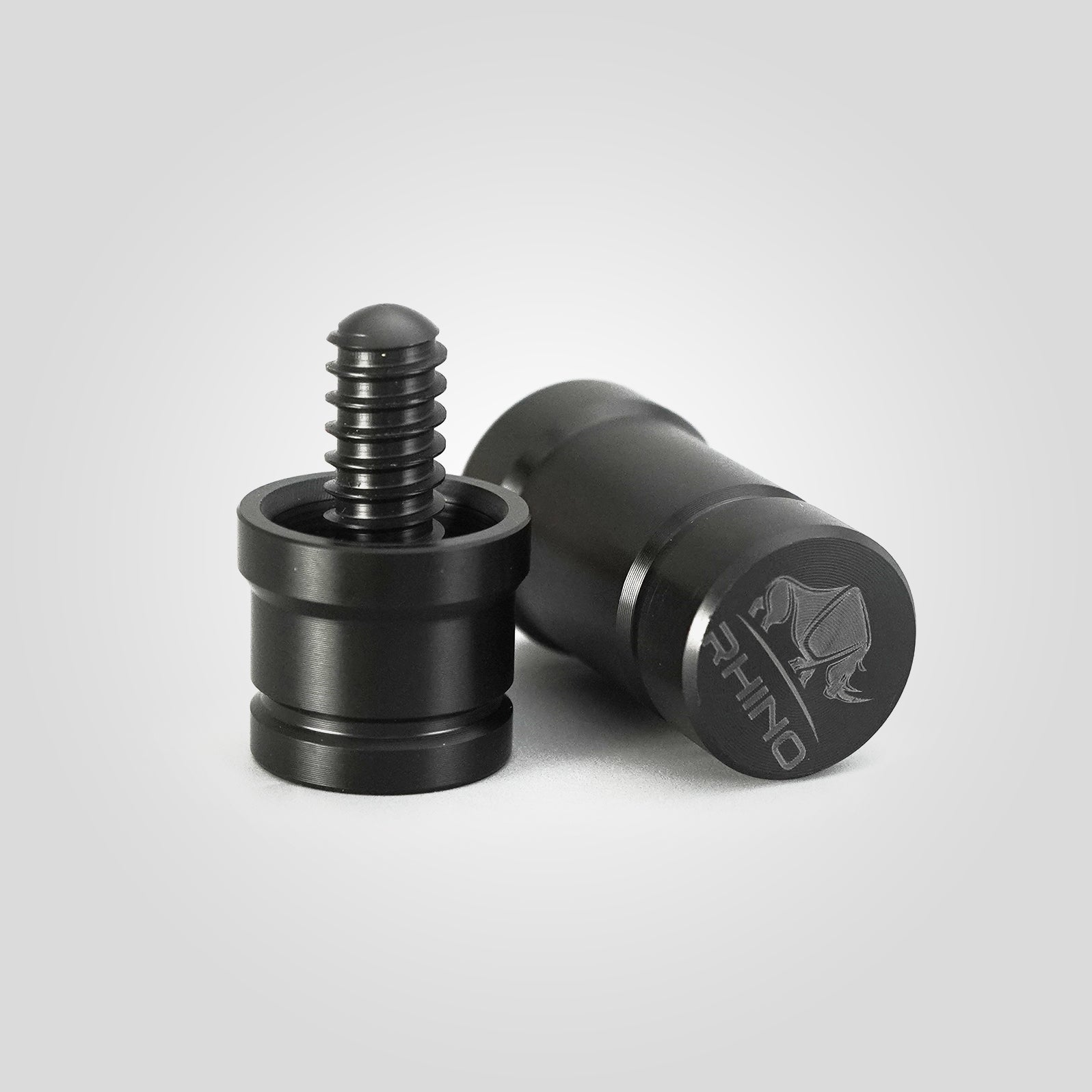
RHINO Billiards Joint Protector 3/8-11
$7.90
Shipping & tax will be calculated at checkout. Learn more
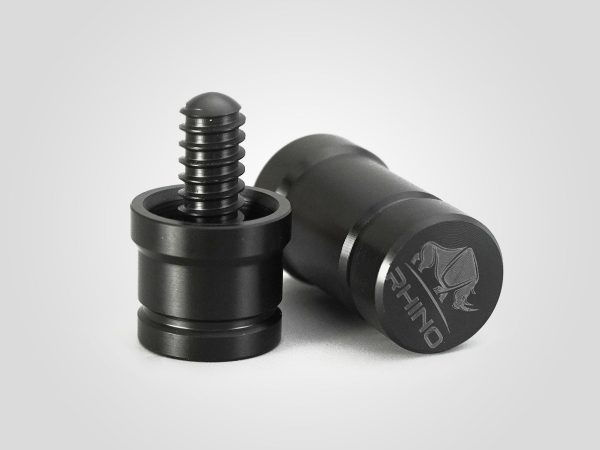
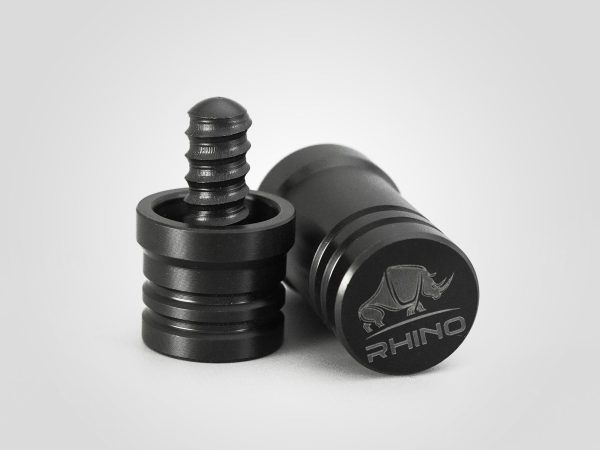
Keep dirt and damage out of your joint between sessions. A simple, essential bit of kit that protects the threads on your butt and shaft.
The RHINO 3/8-11 joint protector is a simple, essential piece of kit that keeps the threads on your cue clean, undamaged and ready to play. Every time you break down a two-piece cue, the exposed joint pin and collar are vulnerable to dust, grit and knocks — and a quality joint protector is the cheapest way to protect the single most precise part of your cue.
Why a joint protector matters more than players think
A cue joint is machined to tight tolerances so the butt and shaft meet perfectly flush, transferring energy cleanly into the cue ball. Once that pin picks up grit or the threads get dinged in a case pocket, that flush fit is compromised — and a poor joint connection robs you of feel and consistency. Threading a joint protector onto both the butt and shaft seals the threads away from dust, moisture and impact whenever the cue is apart, preserving the connection that makes your cue feel like yours.
Correct fit, easy to use
This protector is sized for the popular 3/8-11 joint, threading on smoothly and sitting flush without cross-threading or play. It takes two seconds to fit, lives easily in a case pocket, and turns a vulnerable open joint into a sealed, protected one. For anyone who travels with a cue or stores it broken down, it is a small bit of insurance against an expensive problem.
Key features
- Sized for 3/8-11 joints (butt and shaft)
- Seals threads from dust, grit, moisture and impact
- Smooth, flush thread with no cross-threading
- Compact — fits any cue case pocket
- Protects cue feel and consistency over time
- Free worldwide shipping from hdmpool
Joint protector FAQ
What does a joint protector actually do?
It threads onto your cue joint when the cue is apart, sealing the precision threads from dust, moisture and knocks so the butt and shaft always meet flush.
Will it fit my cue?
This protector is made for the common 3/8-11 joint. Check your cue spec — most Rhino and many standard cues use this size.
Do I need one for the shaft and the butt?
Ideally yes, a protector on each half fully seals the connection; many players run a set whenever the cue is stored or in transit.
Caring for your cue joint
Treat the joint as the precision instrument it is. Whenever you break the cue down, thread a joint protector onto both halves before anything touches the pin, and avoid laying an unprotected joint loose in a pocket with chalk and keys. Wipe the pin and collar occasionally with a clean dry cloth, and never force a stiff joint — grit is usually the culprit, and that is exactly what a protector prevents. These habits cost nothing and keep the butt-to-shaft connection feeling tight and consistent for years. For background on how cues are constructed and why the joint is so critical to feel, the cue stick article is a helpful reference. A few seconds of care protects the part of your cue you can least afford to damage.
Who needs a joint protector? Every player who breaks their cue down. It is the definition of cheap insurance — a couple of seconds and a few dollars to protect the precision threads that determine how your cue feels and plays. Buy a pair, keep them in your case, and use them every time the cue comes apart. Your future self, mid-match, will thank you.
Pair it with a protective billiard cue case and browse more ferrules and parts at hdmpool. Protect the most precise part of your cue for the price of a tin of chalk.
| Type | Accessory |
|---|
Return & Exchange Policy
Please read the complete policy here: Return, exchange & refund policy
Related products
Ferrules & Parts
Ferrules & Parts
Ferrules & Parts
Ferrules & Parts
Ferrules & Parts
Ferrules & Parts
There are no reviews yet.